


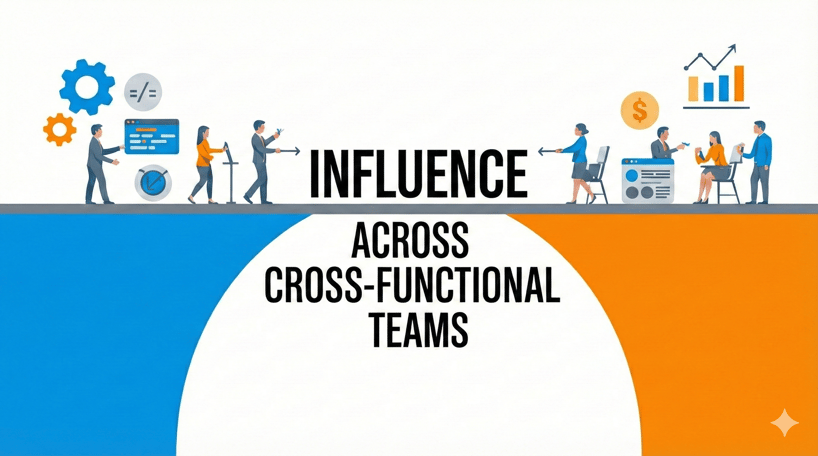
Effective training helps technical experts influence cross-functional teams by teaching them to translate complex data into business impact. They learn to adapt their message, understand diverse team priorities, and facilitate decision-making, which is precisely why we developed Speaking Up: Presenting to Decision Makers®.
The Core Challenge: When Technical Brilliance Isn't Enough
In specialized fields like biotech, engineering, and IT, organizations thrive on the deep knowledge of their technical experts. These individuals—scientists, engineers, and developers—drive innovation. However, their brilliance often stays hidden within their own departments. A project's momentum can be completely halted when a technical lead fails to secure buy-in from commercial, finance, or marketing teams.
The root of the problem is a communication disconnect. Technical experts value data, precision, and process; cross-functional leaders value outcomes, revenue, and speed. This gap creates organizational silos, slows down decision cycles, and leaves valuable projects stuck in development. Your organization's most innovative ideas are at risk—not because they lack merit, but because their value is not being communicated effectively.
Bridging the Gap: A Framework for Cross-Functional Influence
To break down these walls, technical experts need a new skill set focused on influence, not just information delivery. This training must be built on a framework that addresses the specific dynamics of communicating across functions, especially to leaders and decision makers.
Translate Technical Value Into Business Impact
An expert might present a feature's technical superiority; a cross-functional leader, however, needs to understand its market advantage. Influence begins when technical details are translated into the language of business, such as revenue, risk mitigation, or competitive edge.
- How to Implement: Instead of detailing a complex development process, lead with the outcome. For example, "This new architecture will reduce our cloud computing costs by 30% in the first year." This is a core principle taught in our Speaking Up: Presenting to Decision Makers® program, where participants learn an Executive Framework that prioritizes the bottom line to immediately capture stakeholders' attention.
Understand and Adapt to Different Priorities
The priorities of an R&D team are fundamentally different from those of a sales team. An expert who presents the same data in the same way to both audiences is destined to fail. Effective influencers tailor their message to align with what each function cares about most.
- How to Implement: Before a meeting, map out each stakeholder's primary goals. The finance team needs to see the ROI; the marketing team needs a compelling story for customers. Speaking Up: Presenting to Decision Makers® is designed to instill this "executive mindset," enabling presenters to anticipate and address the unique concerns of each decision maker in the room. This preparation transforms a presentation from a monologue into a strategic conversation.
Build Consensus and Drive Projects Forward
Influencing a group isn't about winning an argument; it's about facilitating a decision. Technical experts must learn to manage discussions, handle disagreements, and guide the group toward a unified next step. This requires shifting from a "presenter" to a "facilitator" mindset.
- How to Implement: The goal should be dialogue, not a data dump. A powerful technique for this is the 10/30 Rule: prepare 10 minutes of structured content for a 30-minute meeting, leaving the majority of the time for discussion. This method, central to Speaking Up: Presenting to Decision Makers®, ensures that conversations are collaborative and decision-oriented; it empowers the expert to manage the room, even when challenged with tough questions or unexpected tangents.
The Solution in Action: Speaking Up: Presenting to Decision Makers®
Generic presentation training often fails technical experts because it doesn't address the high-stakes, cross-functional environment they operate in. A specialized program is needed, one built from research into what senior leaders actually want.
Speaking Up: Presenting to Decision Makers® equips technical professionals with the specific tools they need to succeed:
- The Executive Framework: Provides a clear, repeatable structure for organizing ideas to resonate with leaders who value brevity and results.
- Executive Presence Development: Participants receive 1:1 coaching to build the confidence and credibility needed to be seen as a strategic partner, not just a subject matter expert.
- Handling Difficult Dialogues: The program uses interactive role-playing and models like the PREP (Position, Reason, Evidence, Position) model to prepare experts for challenging questions and executive disagreements.
- Digital Learning Reinforcement: Short, topic-focused microlearning videos are made available after the workshop, allowing participants to refresh their skills on handling disengaged executives or managing last-minute agenda changes.
The Business Case for Influence Training
When technical experts can effectively influence cross-functional teams, the entire organization accelerates. Ineffective presentations don't just waste an hour of time; they create logistical vulnerabilities and stall progress for months. By contrast, a successful pitch leads directly to quantifiable results.
Organizations like Genentech and Abbott Laboratories use Speaking Up: Presenting to Decision Makers® to achieve:
- Faster Decision Cycles: Clear, concise communication leads to quicker approvals.
- Stronger Alignment: Teams move forward with a shared understanding and purpose.
- Increased Project ROI: The best ideas get the funding and support they need to succeed.
Ultimately, investing in this type of training is not a soft skill expense. It is a direct investment in your organization's ability to innovate and execute at speed.
Frequently Asked Questions
Why do technically brilliant experts often fail to get buy-in from other teams?
They often fail due to a communication disconnect. Technical experts tend to value data, precision, and process, while cross-functional business leaders prioritize outcomes, revenue, and speed. This difference in priorities prevents technical ideas from being understood in terms of their business value.
What is the key skill technical experts need to influence cross-functional teams?
The most crucial skill is the ability to translate technical value into business impact. Instead of focusing on complex technical details, experts must learn to frame their ideas in the language of business, such as revenue generation, risk mitigation, or gaining a competitive edge.
How can a technical expert make presentations more effective for a business audience?
To be more effective, a technical expert should lead with the business outcome, not the technical process. They must also tailor their message to the specific priorities of each stakeholder (e.g., ROI for finance) and use techniques like the 10/30 Rule to leave ample time for discussion, shifting from a presenter to a facilitator mindset.
What are the business benefits of training technical experts in communication?
Investing in this type of training leads to direct business results, including faster decision cycles, stronger alignment between teams, and increased project ROI. When technical experts can communicate effectively, the best ideas get the funding and support they need to succeed.
Join Us in Conversation . . .

Communication That Transforms People, Cultures, and Business
Thursday, November 19, 2026, 9:00-10:00 a.m. PT; 12:00-1:00 p.m. ET; 5:00-6:00 p.m. BST

.png)
Keily Breeden
Engagement Executive & Head of HRAlignOrg Solutions
.png)
Kayla O'Rourke
Chief People Officer & Enterprise Transformation Executive
.png)

.png?width=270&height=360&name=PS%20Live%20Blog%20Sidebar%20CTA%20(31).png)