.jpg?width=1336&height=785&name=iStock-1297311790%20(1).jpg)
In an era dominated by artificial intelligence, automated workflows, and rapid technical literacy, you might assume data and code are the ultimate workplace currencies.



.jpg)
In an era dominated by artificial intelligence, automated workflows, and rapid technical literacy, you might assume data and code are the ultimate workplace currencies.

I don't know about you, but in my household, we were all abuzz with the World Cup in July. My husband regularly tuned in to the games, and he volunteered for those hosted here in the Bay Area at Levi's Stadium.

Building trust within an organization is a delicate, continuous process. It is a living dynamic built or eroded in the micro-moments of our daily interactions. This is especially true today, as we navigate an era of intense ambiguity and change, where teams are asked to pivot, experiment, and co-create in uncharted territory.

I heard a quote recently that has really stuck with me.
“A closed mouth is a closed destiny.”


To present complex biotech data to senior executives, lead with the bottom line, speak to business impact, and structure your message around what decision makers actually need to approve your proposal. Scientists who master this shift win faster approvals, stronger executive relationships, and more resources for their work.

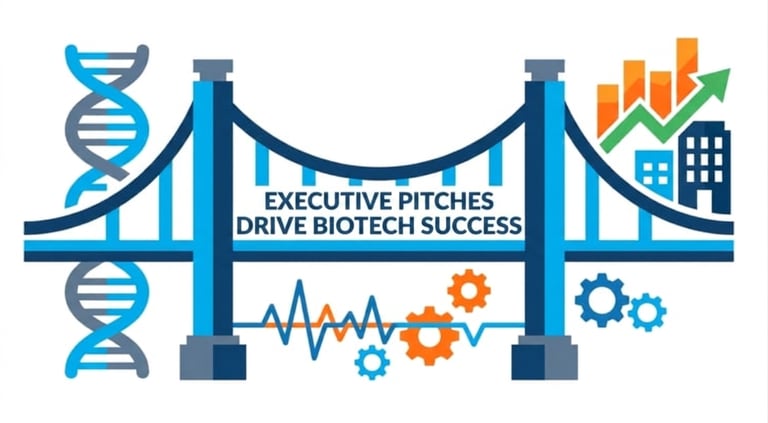
Strong executive communication skills are a primary driver of a biotech startup's success. They directly influence a company's ability to secure funding, foster internal innovation, and build stakeholder trust, turning complex scientific data into clear, outcome-focused conversations that move decision makers to act.

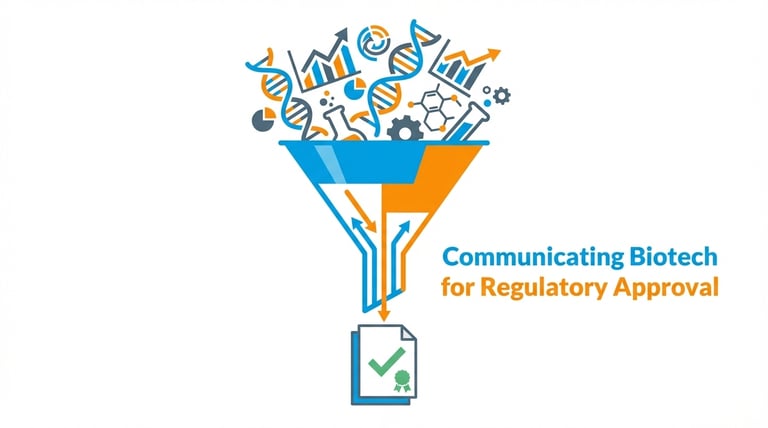
Effective communication in biotech regulatory meetings requires leading with your outcome, structuring your data around what reviewers need to make a decision, and preparing your team to handle the Q&A with the same rigor as the submission itself. The path to approval runs through clarity, not volume.

The precision and technical depth that make you a great engineer or scientist can often become obstacles in leadership. As Dr. Gwen Acton (author of Leadership for Scientists and Engineers) explained during a recent PowerSpeaking Live!, moving into a leadership position turns your voice into a megaphone. Your words, once just data points among peers, are now amplified and scrutinized. And their impact often has much more to do with human behavior than data. In this new role, your presence and communication carry a gravity you might not have expected.
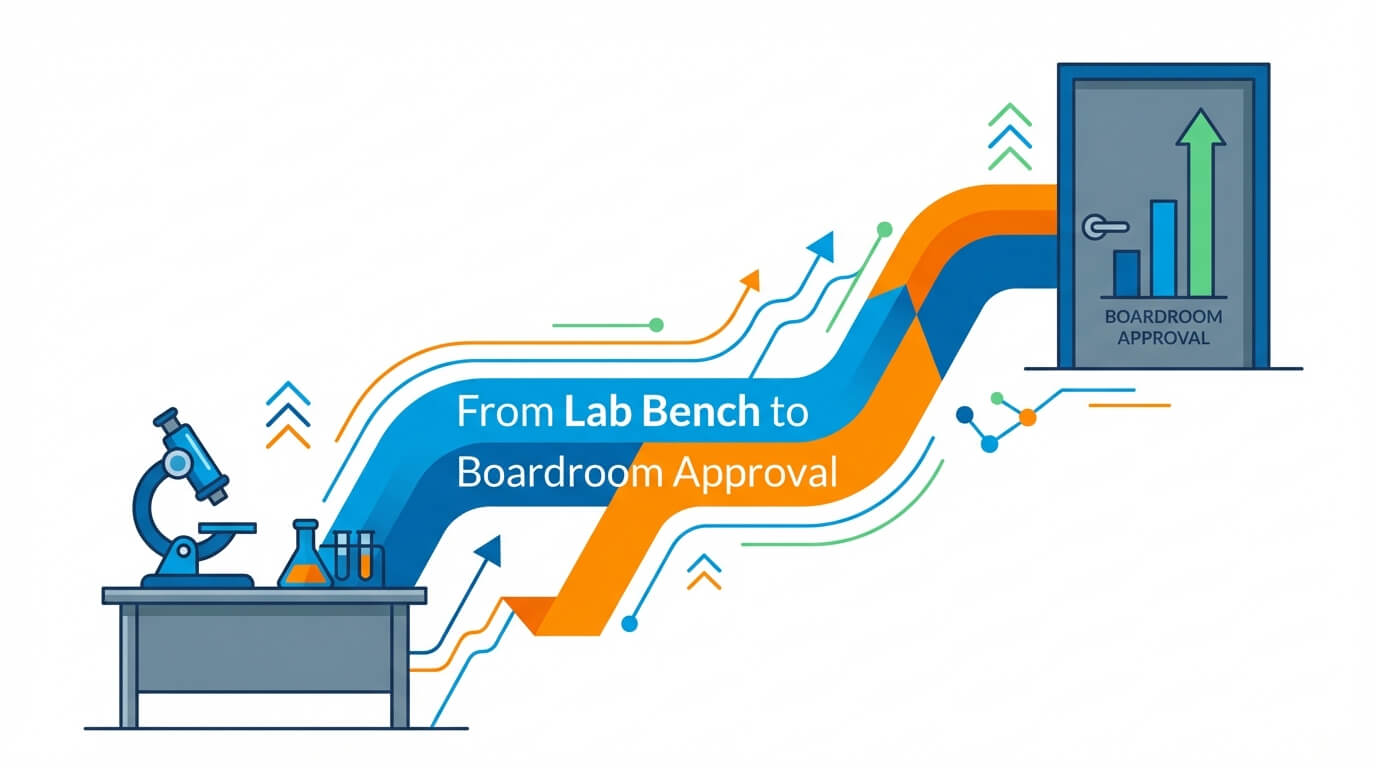
To tailor presentations for biotech executive decision makers, focus on the strategic business impact and potential return on investment. Translate complex scientific data into clear market opportunities, address regulatory hurdles proactively, and present a concise, data-supported ask that aligns with the company's growth objectives.
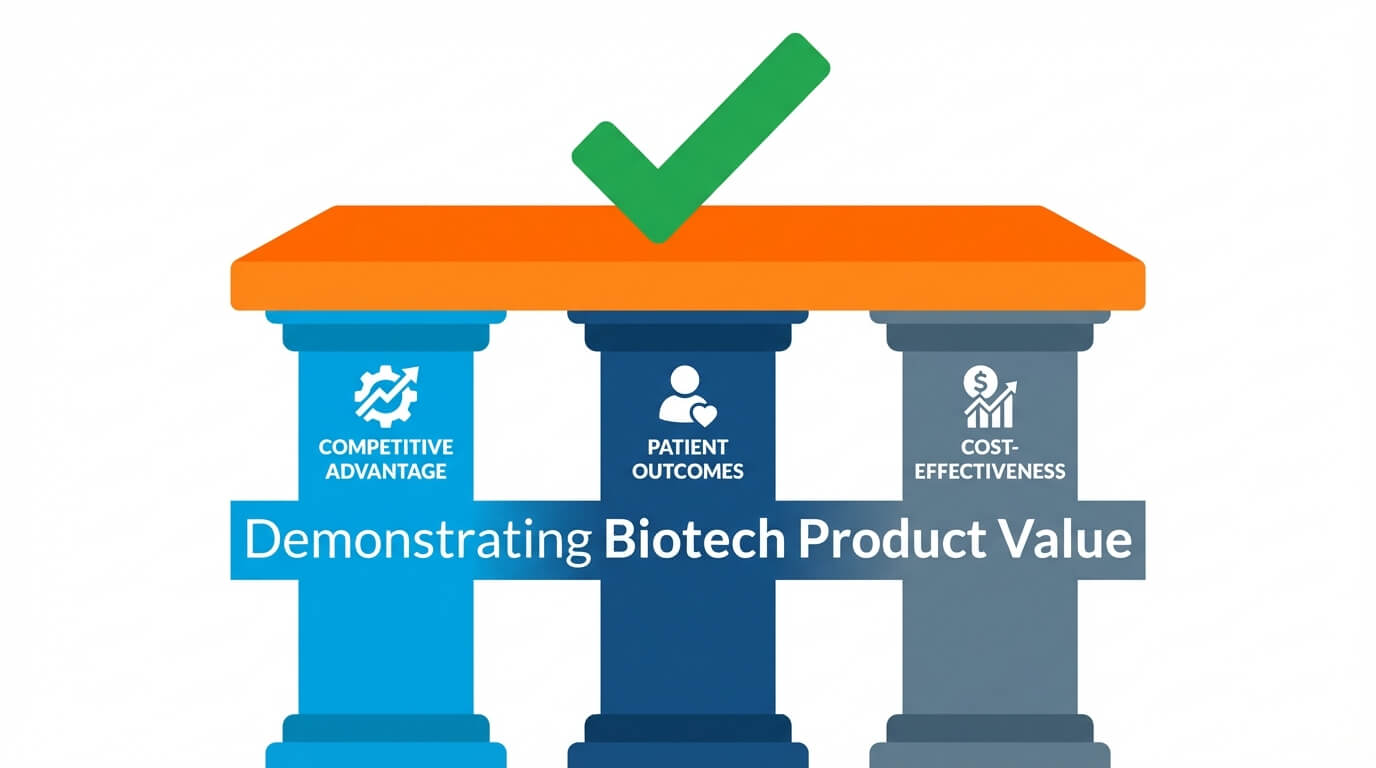
To effectively demonstrate biotech product value in an executive presentation, focus on three key areas: clear competitive advantages, quantifiable improvements in patient outcomes, and robust cost-effectiveness data. This approach directly addresses the strategic priorities and bottom-line focus of high-level decision makers.
Subscribe to PowerSpeaking Insights to get our blog, best-practice tips, special offers, and more sent directly to your inbox.

.png?width=270&height=360&name=PS%20Live%20Blog%20Sidebar%20CTA%20(31).png)

Phone:
650-631-8459 or
800-828-1909
Address:
303 Twin Dolphin Dr, Suite 600
Redwood City, CA 94062
Get our blog, best-practice tips, special offers, and more sent directly to your inbox.